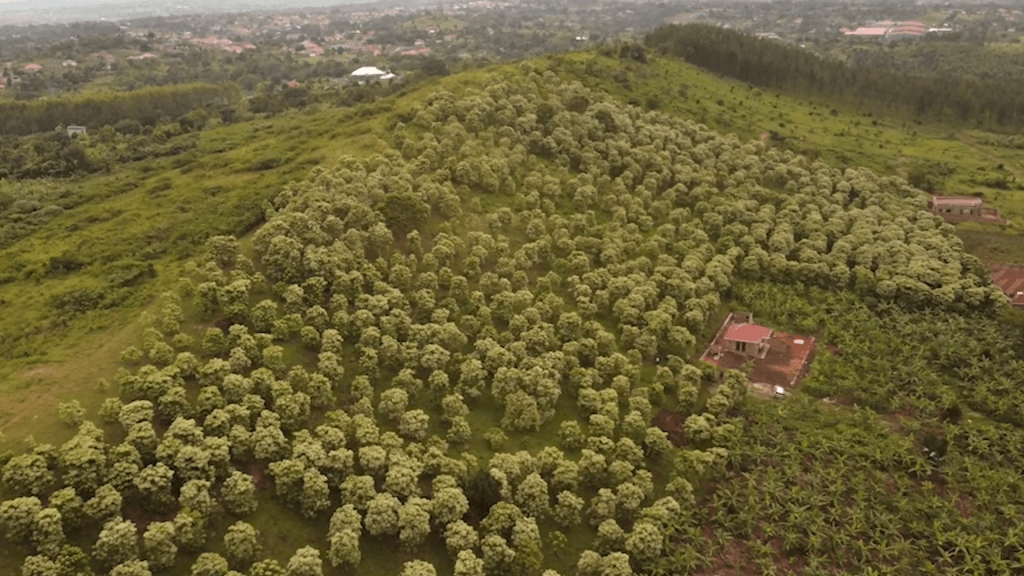
As a result of rising energy costs and concerns about climate change, there has been a growing demand for alternative fuels in East Africa. Biodiesel, a renewable fuel made from plant-based oils, is one such alternative that has gained significant attention in recent years.
There are several factors driving the demand for biodiesel in East Africa. One of the primary drivers is the region’s dependence on imported fossil fuels, which has left many countries vulnerable to volatile global oil prices. Biodiesel, on the other hand, can be produced locally from a variety of crops, providing a more stable and secure source of energy.
Another key driver is the region’s abundant natural resources. East Africa is home to a wide range of crops that can be used to produce biodiesel, including jatropha, sunflower, and coconut. These crops can be grown on marginal land, making them a viable option for small-scale farmers and communities.
In addition to its economic benefits, biodiesel also offers significant environmental benefits. It produces fewer greenhouse gas emissions than fossil fuels, making it a more sustainable option for transportation and energy production. As a result, many governments and organizations in East Africa have set ambitious targets for biodiesel production and consumption in the coming years.
To meet this growing demand, a number of companies and investors have begun to invest in biodiesel production in the region. This has led to the development of new technologies and processes for producing biodiesel, as well as increased investment in local agriculture and infrastructure.
Overall, the growing demand for biodiesel in East Africa represents a significant opportunity for investors and businesses in the region. By supporting the development of a sustainable biodiesel industry, we can help to create new jobs, reduce dependence on imported fossil fuels, and promote economic growth while protecting the environment.
 Shahryar Oveissi
Leave a comment