THE EARTH, ONE SHOT AT A TIME.
.
- Transforming Waste into Wealth: Biosource Feeds’ Bold Mission in Uganda
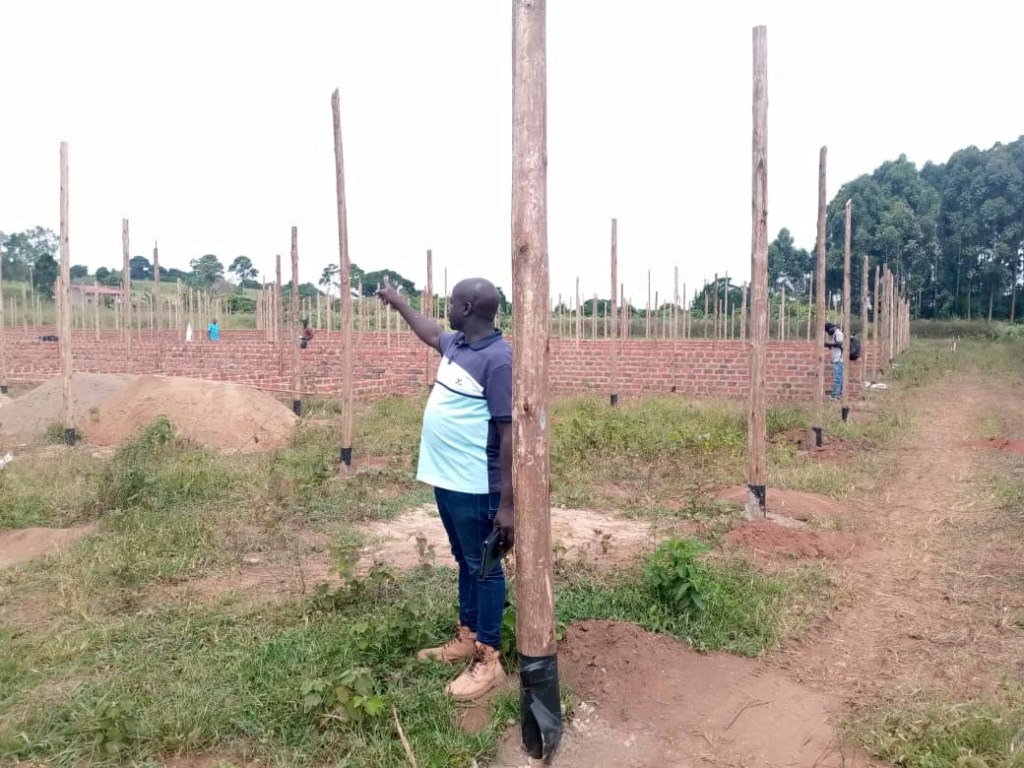
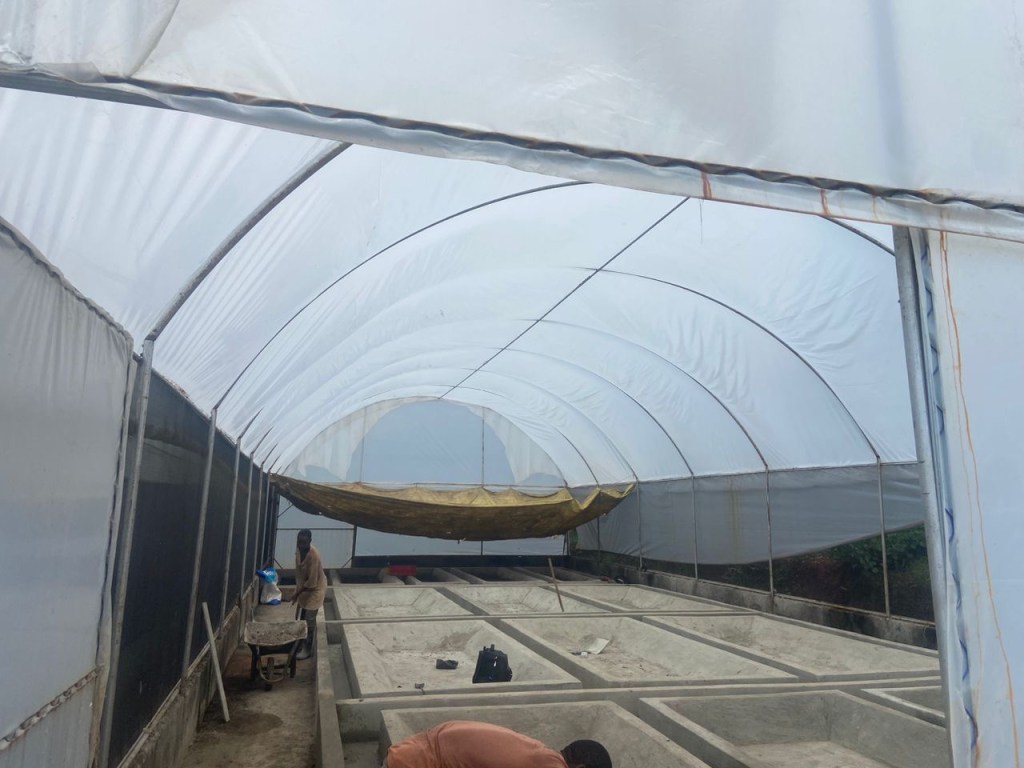

At Biosource Feeds, we’re turning waste into opportunity. Our team in Uganda has just completed the third of forty planned Black Soldier Fly (BSF) nurseries, part of an ambitious project to revolutionize sustainable animal feed and bio-oil production. Each nursery is expected to produce 2 tons of BSF larvae daily. By harnessing the incredible power of BSF, we’re not just addressing municipal waste issues—we’re creating a sustainable future for communities across Uganda.
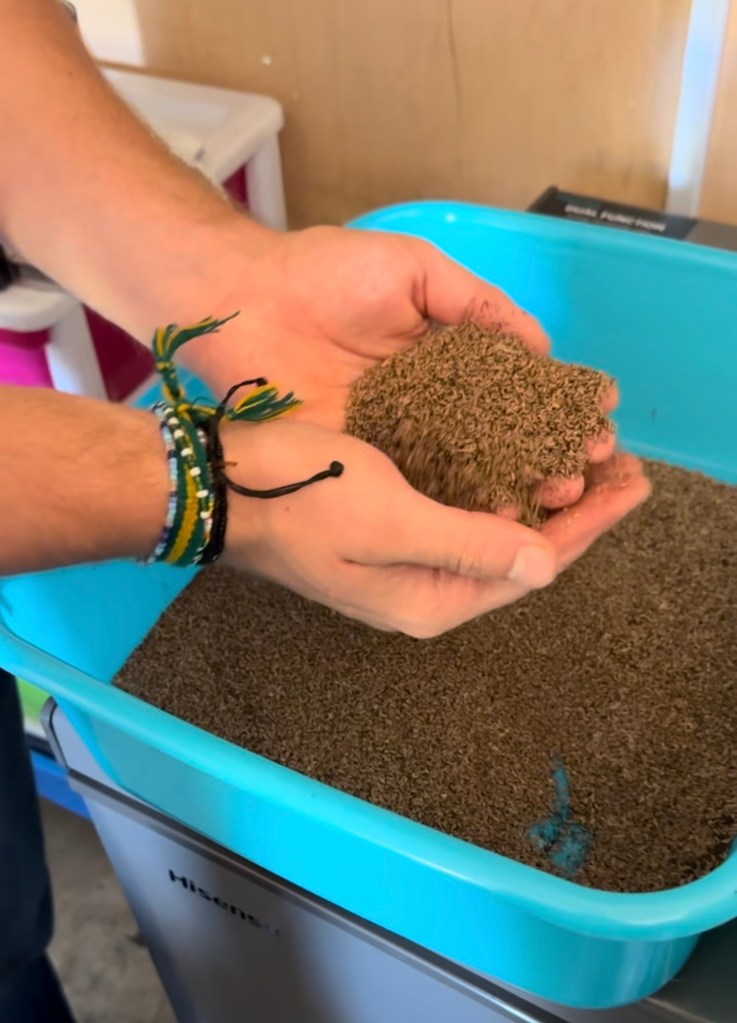
BSF are ideal biological agents for our mission to create sustainable animal feed, fertilizer, and bio-oil for use in our sister company biodiesel refinery. BSF feed on food waste, solving a municipal waste problem while providing a low-cost feedstock for the BSF. BSF eggs hatch after two to three days, followed by roughly two weeks in various pre-pupae stages during which they are voracious consumers. Prior to entering their larval stage, the BSF are separated from the frass (unconsumed food waste and BSF excrement) and then processed in several stages to yield bio-oil and BSF cake. The frass is shipped to another Biosource Feeds facility in Mukono, Uganda where it is bagged and sold as a fertilizer supplement to local small holder farmers. The bio-oil is sold to an affiliated biodiesel refinery, also located in Mukono, and the BSF cake is shipped to our Busia, Uganda facility for further processing into animal protein for sale to poultry, aquaculture and animal protein consumers.
Learn more at www.biosourcefeeds.com - Empowering Communities and Promoting Sustainability through Insect Protein
Screenshot In today’s world, where sustainable solutions are increasingly necessary, BioSource Feeds is at the forefront of innovation by transforming Black Soldier Fly (BSF) larvae into high-quality animal feed, biodiesel, and organic fertilizer. Our mission is not only to provide sustainable feed solutions but also to empower communities through job creation and food waste mitigation.
The Power of Insect ProteinInsect protein, particularly from BSF larvae, is a game-changer in animal nutrition. These larvae are incredibly efficient at converting organic waste into high-quality protein and fats. At BioSource Feeds, we produce BioSource Protein™, a rich source of essential amino acids and minerals. This protein offers up to 50% crude protein, comparable to traditional sources like fishmeal, making it an ideal choice for sustainable animal feed.”As we harness the potential of insect protein, we are not only addressing the nutritional needs of animal feed but also reducing the environmental impact of traditional feed sources,” says Shahryar Oveissi. “Our innovative approach ensures that we provide high-quality, sustainable solutions.”

Community EmpowermentOur partnership with Caritas International is a testament to our commitment to social and economic development. By establishing pilot facilities on Caritas parish land, we are bringing jobs and economic benefits to local communities. Over the next 12 months, we plan to expand our operations by establishing 40 micro-facilities, creating even more employment opportunities and increasing our production capacity to meet the growing demand for sustainable feed.”Empowering local communities is at the heart of our mission,” explains Christopher Cox. “Through our collaboration with Caritas International, we are creating meaningful job opportunities and fostering economic growth in underserved areas.
Sustainable Feed SolutionsBioSource Feeds is dedicated to revolutionizing animal feed production. Our BSF larvae thrive on food waste, turning an environmental challenge into an opportunity. This innovative approach not only addresses the global need for sustainable feed but also significantly reduces food waste. The larvae are processed into BioSource Protein™ and BioSource Oil™, which serve as high-quality feed and biodiesel feedstock, respectively.”By transforming food waste into valuable products, we are addressing a critical environmental issue while providing sustainable feed solutions,” says Shahryar Oveissi. “This dual impact is a cornerstone of our mission.
Food Waste MitigationFood waste is a significant environmental issue, contributing to greenhouse gas emissions and inefficient resource use. At BioSource Feeds, we tackle this problem head-on by using BSF larvae to convert food waste into valuable products. Our process ensures that minimal waste is left behind, aligning with our mission to promote sustainability.”Our approach to food waste mitigation is innovative and impactful,” states Christopher Cox. “We are proud to contribute to a more sustainable future by turning waste into a valuable resource.
Future HorizonsAs we look to the future, BioSource Feeds is poised for growth and innovation. Our goal is to produce 80 tons of BSF larvae daily, equivalent to 17 tons of dried animal feed protein and 8,000 liters of biodiesel feedstock. This expansion will not only enhance our capacity to provide sustainable solutions but also further our impact on local communities through job creation and economic empowerment.”We are excited about the future and the potential to scale our operations,” says Shahryar Oveissi. “Our growth will enable us to make an even greater impact on both the environment and local economies.”
Join Us on This JourneyJoin us on this journey towards a more sustainable and equitable future. At BioSource Feeds, we’re not just producing animal feed; we’re creating opportunities, promoting sustainability, and transforming challenges into solutions. Together, we can revolutionize the way we think about animal nutrition and environmental responsibility.”As we continue to innovate and expand, our commitment to sustainability and community empowerment remains steadfast,” concludes Christopher Cox. “We invite you to join us in making a difference.”
- East Africa Biodiesel
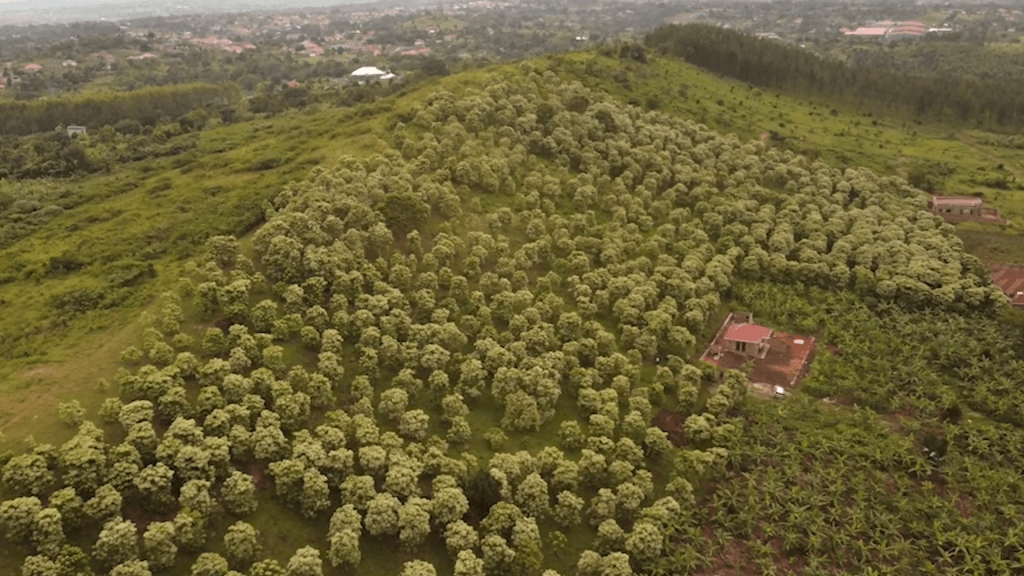
As a result of rising energy costs and concerns about climate change, there has been a growing demand for alternative fuels in East Africa. Biodiesel, a renewable fuel made from plant-based oils, is one such alternative that has gained significant attention in recent years.
There are several factors driving the demand for biodiesel in East Africa. One of the primary drivers is the region’s dependence on imported fossil fuels, which has left many countries vulnerable to volatile global oil prices. Biodiesel, on the other hand, can be produced locally from a variety of crops, providing a more stable and secure source of energy.
Another key driver is the region’s abundant natural resources. East Africa is home to a wide range of crops that can be used to produce biodiesel, including jatropha, sunflower, and coconut. These crops can be grown on marginal land, making them a viable option for small-scale farmers and communities.
In addition to its economic benefits, biodiesel also offers significant environmental benefits. It produces fewer greenhouse gas emissions than fossil fuels, making it a more sustainable option for transportation and energy production. As a result, many governments and organizations in East Africa have set ambitious targets for biodiesel production and consumption in the coming years.
To meet this growing demand, a number of companies and investors have begun to invest in biodiesel production in the region. This has led to the development of new technologies and processes for producing biodiesel, as well as increased investment in local agriculture and infrastructure.
Overall, the growing demand for biodiesel in East Africa represents a significant opportunity for investors and businesses in the region. By supporting the development of a sustainable biodiesel industry, we can help to create new jobs, reduce dependence on imported fossil fuels, and promote economic growth while protecting the environment.
- Argali Carbon Corp Uganda Reforestation Program
If not now, when? - Shahryar Oveissi’s trip to Uganda
Shahryar Oveissi- If not now, When? This past October I spent two weeks in Uganda to celebrate the kick off of our 4 year 1 billion tree reforestation program. I am so proud of our partners in this project, especially the small holder farmer community that is leading this initiative. In several years time not only will these communities benefit from the carbon credits generated from the massive carbon dioxide sequestration from the trees they are planting. My company Argali will be actively investing to develop new businesses that will benefit from these trees byproduct. This is a project that I feel strongly will create a new model for large scale nature based programs. My hope is to showcase this model as a means to maximizing the economic and social impact these projects can have on local communities.
Shahryar Oveissi’s Argali Carbon Corp’s Reforestation Launch Tour
Shahryar Oveissi’s first trip to East Africa
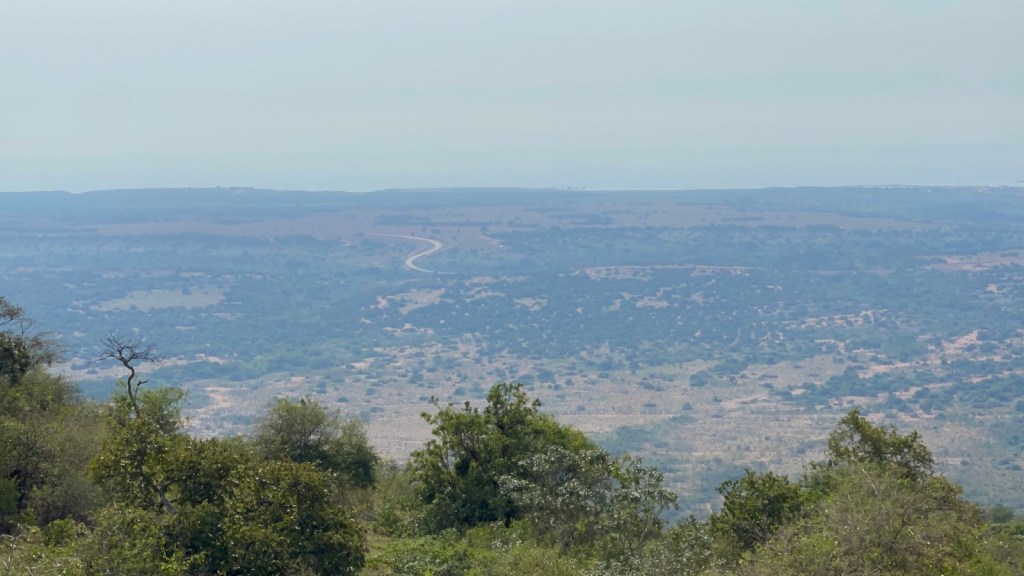
While in Uganda for the past two weeks, I could not help but be disturbed by the fatalities and suffering caused by the extreme weather events occurring worldwide. This summer has brought about record-breaking heat all over the world, affecting the lives and health of millions. And yet, despite the fact that these conditions have become far more regular in recent years, there are still so many people who do not believe in climate change or the effect that society is having on our planet.
While I am very open-minded and respectful of others’ views on societal issues, I also believe that society must do better to create positive change. The negativity and skepticism around climate change and the efforts to mitigate it do not benefit society and only worsen the problem.
For instance, I’ve recently been reading articles about climate change as well as the emergence of a voluntary carbon credit market. Unfortunately, many of these articles are negative in nature and attempt to diminish the benefit and value of the projects that are being developed to reduce greenhouse gases, specifically CO2.
Currently, the piñata of the voluntary carbon market is Adam Neumann, the co-founder and former CEO of WeWork. He recently invested in Flowcarbon, a company that uses blockchain to purchase and sell tokenized carbon credits. My opinion of Flowcarbon and similar companies is that they are too far removed from the projects being developed, so they haven’t given enough focus on the social impact of these projects.
However, I still believe they will and can establish a lot of good to mitigate climate change. We should all step back and realize that these organizations comprise other individuals who have put their reputations and passion into these companies. Therefore, I commend the Flowcarbon team for their hard work and for achieving the milestones they have already.
Still, I believe the current models in the voluntary carbon credit market can be improved in a way that will generate more optimism and hope regarding climate change. My company Argali Carbon Corporation is creating models and carbon offset projects that will do just that.
Argali’s Mission And Model
My partner Christopher Nixon Cox and I launched Argali Carbon Corporation to change the mission and model that exists today for companies developing offset projects at scale. We established our company as a benefit corporation, meaning we have a triple bottom line: people, planet & profit. This means that all of our projects will benefit the planet and advance social causes but will still be profitable and sustainable.
Christopher recently sent me an article that criticized reforestation projects and the validity of the true impact on carbon dioxide reduction. My response to Christopher was that the projects discussed in the article probably had broken models, which resulted in their failure.
For example, one of the challenges these reforestation projects have is that the local communities cannot financially support themselves after a few years. Therefore, out of desperation for income and survival, these communities cut down the trees they planted to get the money they desperately need.
In Africa, refugees and locals have been cutting down trees at high rates due to their economic benefits. For many, these trees are the only potential source of significant income as the timber can be sold for good value or burned into charcoal, which can be used for cooking or sold for additional income.
Argali’s model will ensure these communities stay self-sufficient to eliminate any financial risk or temptation to cut down the trees for profit. So despite the criticism and negativity, I told Christopher that I couldn’t wait for the world to hear our story and the model we have committed to follow. We aim to learn from previous models’ mistakes and create projects that help the planet and are sustainable for the local communities involved.

Our Reforestation Project In Uganda
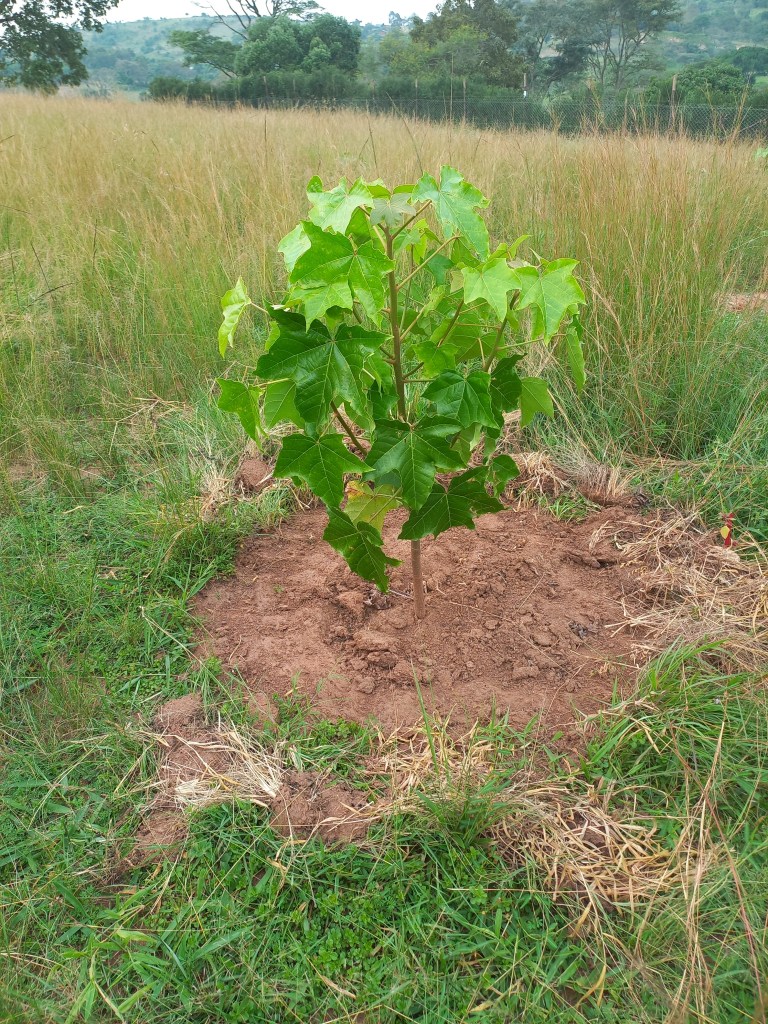
Over the last two weeks, I’ve been finalizing our involvement in our first major project in Africa. Starting in October, our consortium will begin planting trees in Uganda. The project will span four years and result in one billion trees being planted, with 250 million trees being planted this year alone. We have entered into a unique partnership with three separate faith-based organizations, two NGOs, and a local biodiesel company to achieve this goal.
However, the most exciting element of this project is the social impact we will have on the local stakeholders involved. Through the partnered faith-based organizations and NGOs, we are supplying and developing nurseries across Uganda by providing smallholder farmers and refugees seeds and land to help plant these trees.
The trees we are planting have a specific nut that will be harvested in approximately three years’ time. This is where the financial model for these local farms and refugees begins. They will receive income from collecting and delivering these nuts to a new biodiesel refinery our climate fund plans to build. The refinery will process these nuts into biodiesel, which will be sold for further profit. The local stakeholders who delivered the nuts will receive a percentage of these profits.
We will begin by processing over 60,000 liters of biodiesel per day. In the meantime, knowing that it will take several years to start harvesting the nuts, we are also promoting intercropping of other crops that can be eaten and sold during that time.
Additionally, we are establishing several other businesses using these nuts and the nuts from existing plantings to produce soaps, detergents, cosmetics, and a charcoal fuel alternative briquette made out of agri-waste. All the local communities involved will receive some of the revenue that is generated through these businesses. Our goal is to help these communities become engaged and motivated in helping us grow these businesses and, in return, receive significant economic value.
As you can see, we have created a model where the local communities are incentivized to protect the trees they have planted. The model also generates income that will ensure economic prosperity and growth. Nobody is going to cut down trees that provide them with real financial stability.
Furthermore, as we develop these businesses, we are also engaging local organizations and coalitions (especially women-led coalitions) to help mobilize and build support for our activities. We will also assist financially and bring in partners to help provide further tools and resources to help boost education, clean water, agriculture, and healthcare.
My Commitment To Argali’s Mission
I have always had a passion for philanthropy and helping others throughout my whole life. Now, I’m pursuing my dream by coupling my love of investments that help the planet and creating more efficiencies around resource scarcities. I could not be more motivated and committed to our mission.
As my trip concluded, I told Christopher that I have never been more excited and confident about my profession or the mission of a company I am associated with. We all should strive to find a career or calling that inspires us, and I can truthfully say I have found mine. I want to teach my children how important it is to live our lives helping others and protecting our planet. I hope that with the work I plan to dedicate the rest of my career to, they will see the impact that can be created by taking risks and not being dissuaded by fear or skepticism.
 Shahryar Oveissi